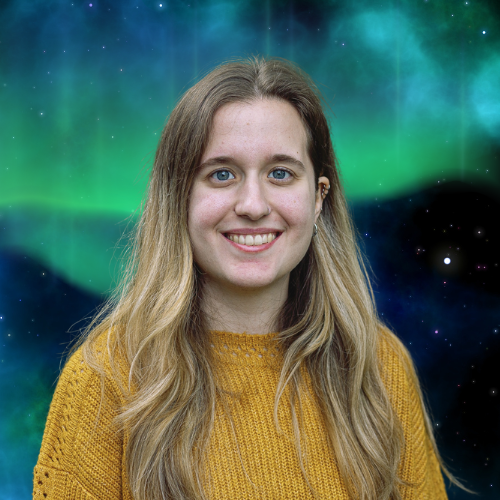

About me
I am a postdoctoral researcher at the
Theoretical Astrophysics Group Cologne (TAC),
working within the
DFG Collaborative Research Centre Habitats of Massive Stars Across Cosmic Time (CRC 1601),
specializing in computational astrophysics.
My research focuses on the turbulent, multi-phase interstellar medium (ISM), its physical and chemical properties
and its role in star formation and galaxy evolution. I approach these questions using high-resolution numerical
simulations of galaxies
(SILCC,
GRIFFIN projects),
aiming to connect theoretical models with observations.
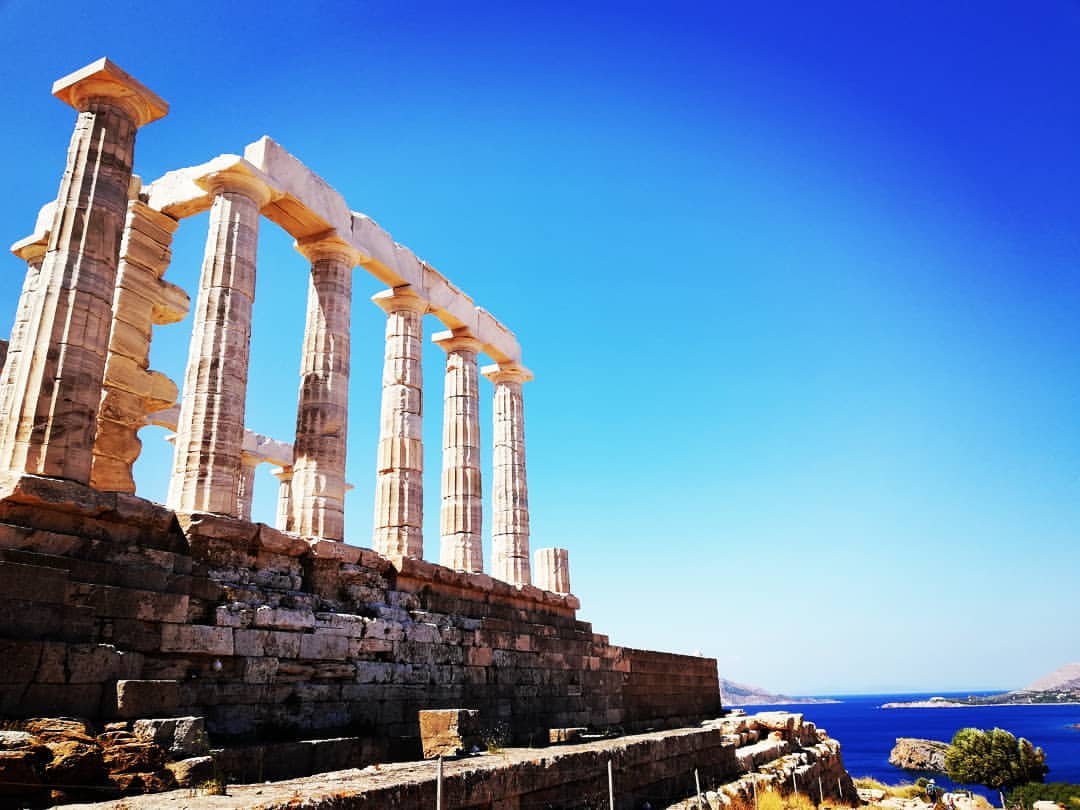
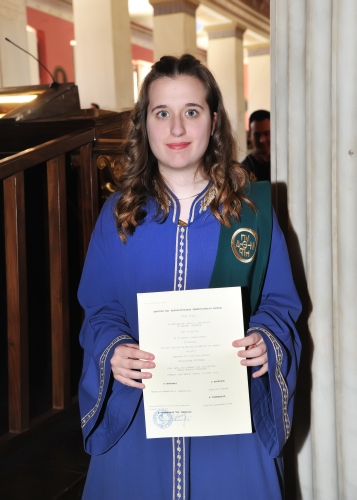
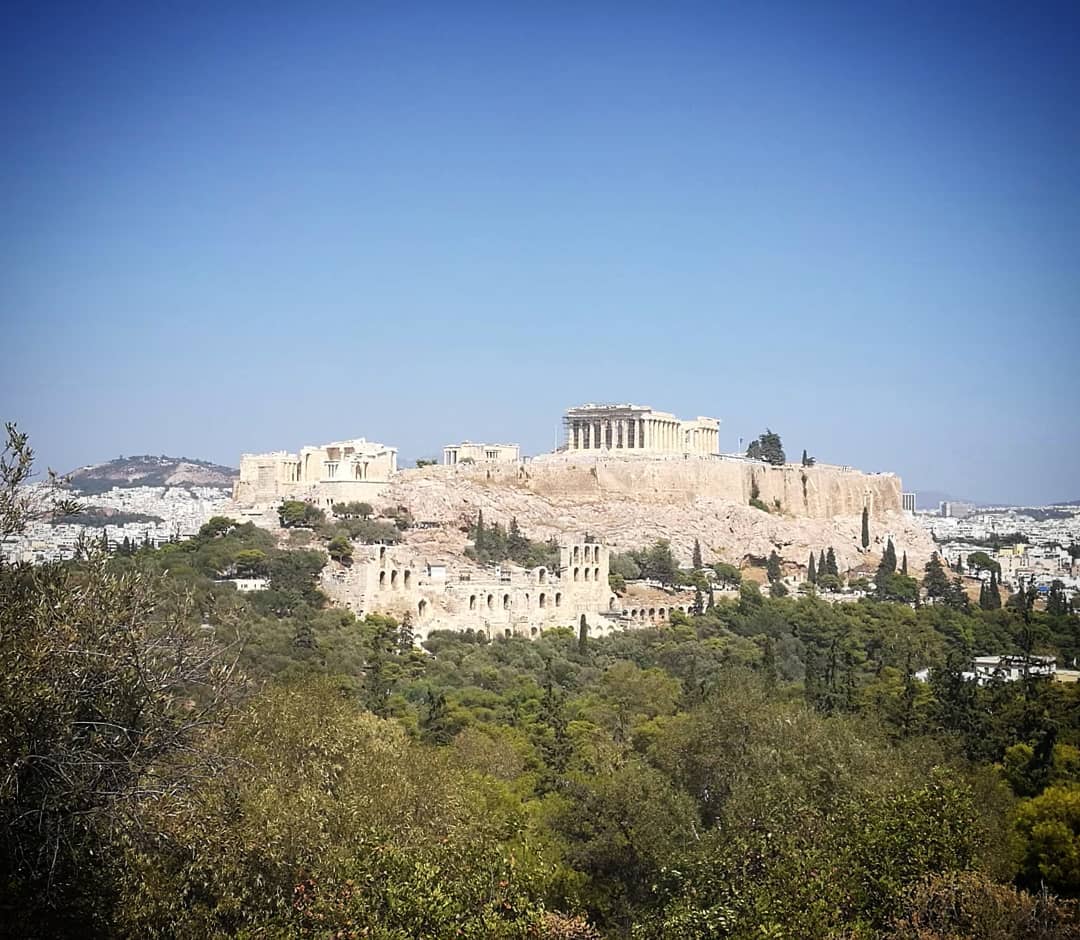
I grew up in Athens, Greece where I studied Physics at the National and Kapodistrian University of Athens (NKUA) and obtained my M.Sc. in Astrophysics at the same institution. Fascinated by the physical processes and mechanisms that underlie galaxy formation and evolution combined with a genuine interest in coding, I moved to Germany, where I earned my Ph.D. in Astronomy from the Ludwig Maximilian University of Munich (LMU), while working at the Max Planck Institute of Astrophysics (MPA).
Beyond research, I teach Master's-level courses at the Department of Physics of the University of Cologne, and I am actively involved in public outreach and volunteering, working to make science accessible to diverse audiences and to support equality and inclusion in STEM.
Have a look at my CV or read more about my research.
“The nitrogen in our DNA, the calcium in our teeth, the iron in our blood,
the carbon in our apple pies were made in the interiors of collapsing stars.
We are made of starstuff.”
― Carl Sagan, Cosmos
My Research in Extragalactic Astrophysics
My research focuses on galaxy evolution, through the study of the turbulent multi-phase interstellar medium (ISM), star formation, and feedback mechanisms across diverse galactic environments, through a combination of observational and numerical approaches.
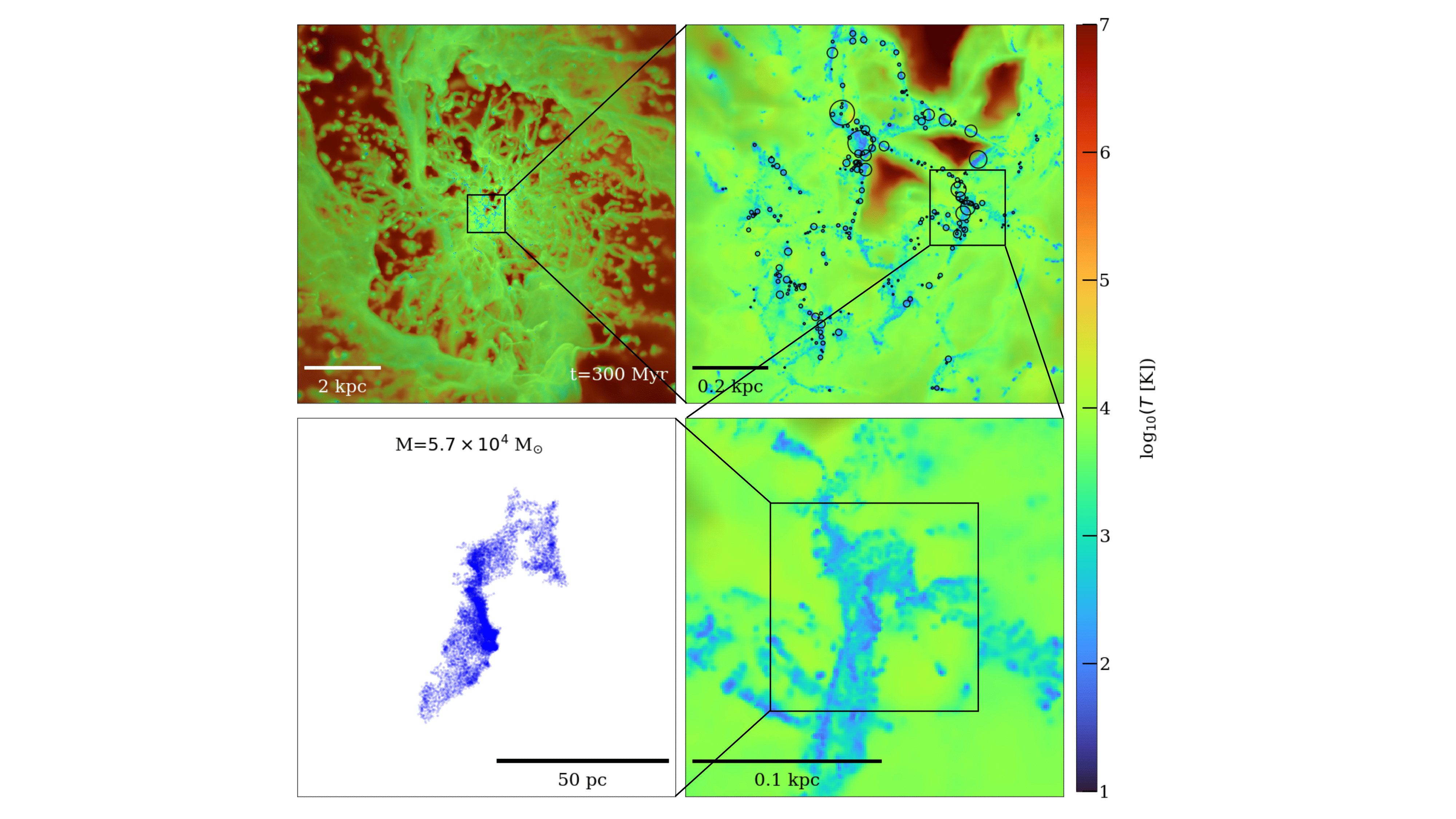
As part of the GRIFFIN project, I used a high-resolution hydrodynamic simulation to study starburst-driven outflows and the lifecycle of cold star-forming clouds in a low-metallicity dwarf galaxy merger (Fotopoulou et al., 2024). Our analysis revealed that the starburst impacts the ISM by forming short-lived cold clouds with realistic mass and size distributions, in good agreement with observations (e.g. Larson relations) and validates our model’s ability to simulate star-forming clouds and feedback processes in low-metallicity environments.
Using ALMA CO observations of the galaxy 4C12.50 (Fotopoulou et al., 2019), I studied the structure and dynamics, of its molecular gas. Our findings reveal high-velocity outflow components driven by AGN jets assisted by starburst activity, highlighting the impact of feedback on the ISM and its interplay with star formation.
You can find my publications here:
You can find my doctoral thesis here:
Photo Gallery
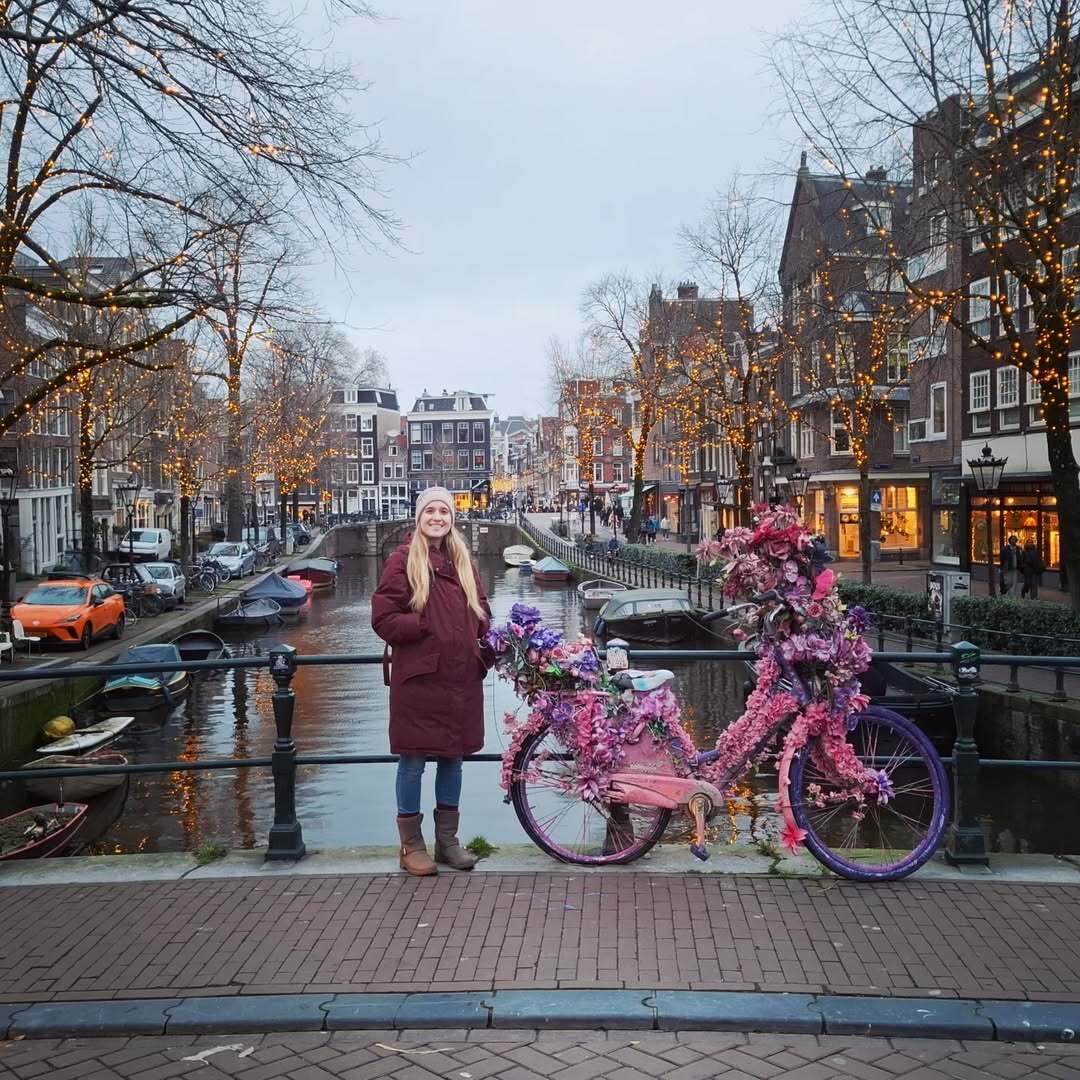
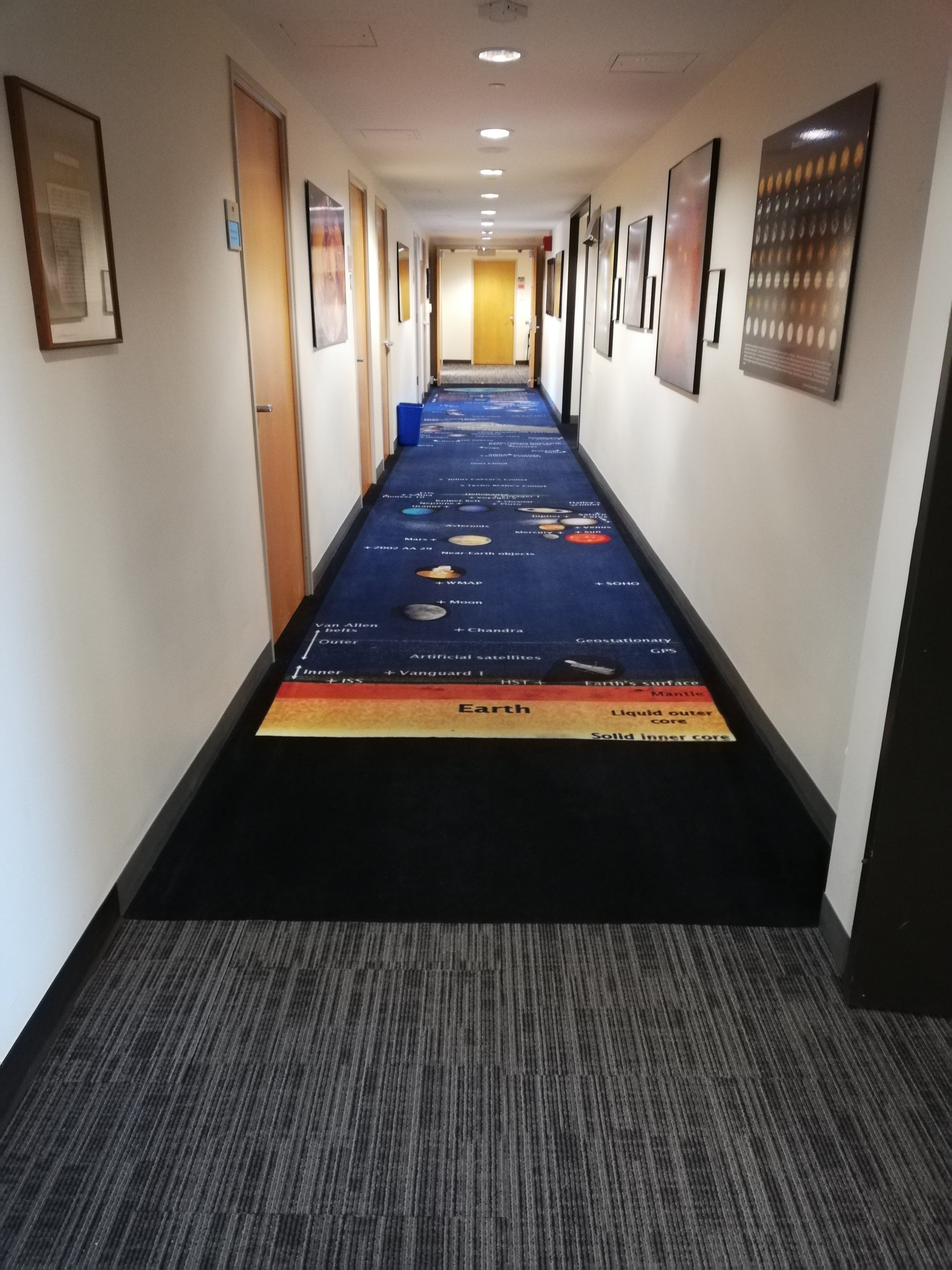
University of Cologne, Aug. 2026
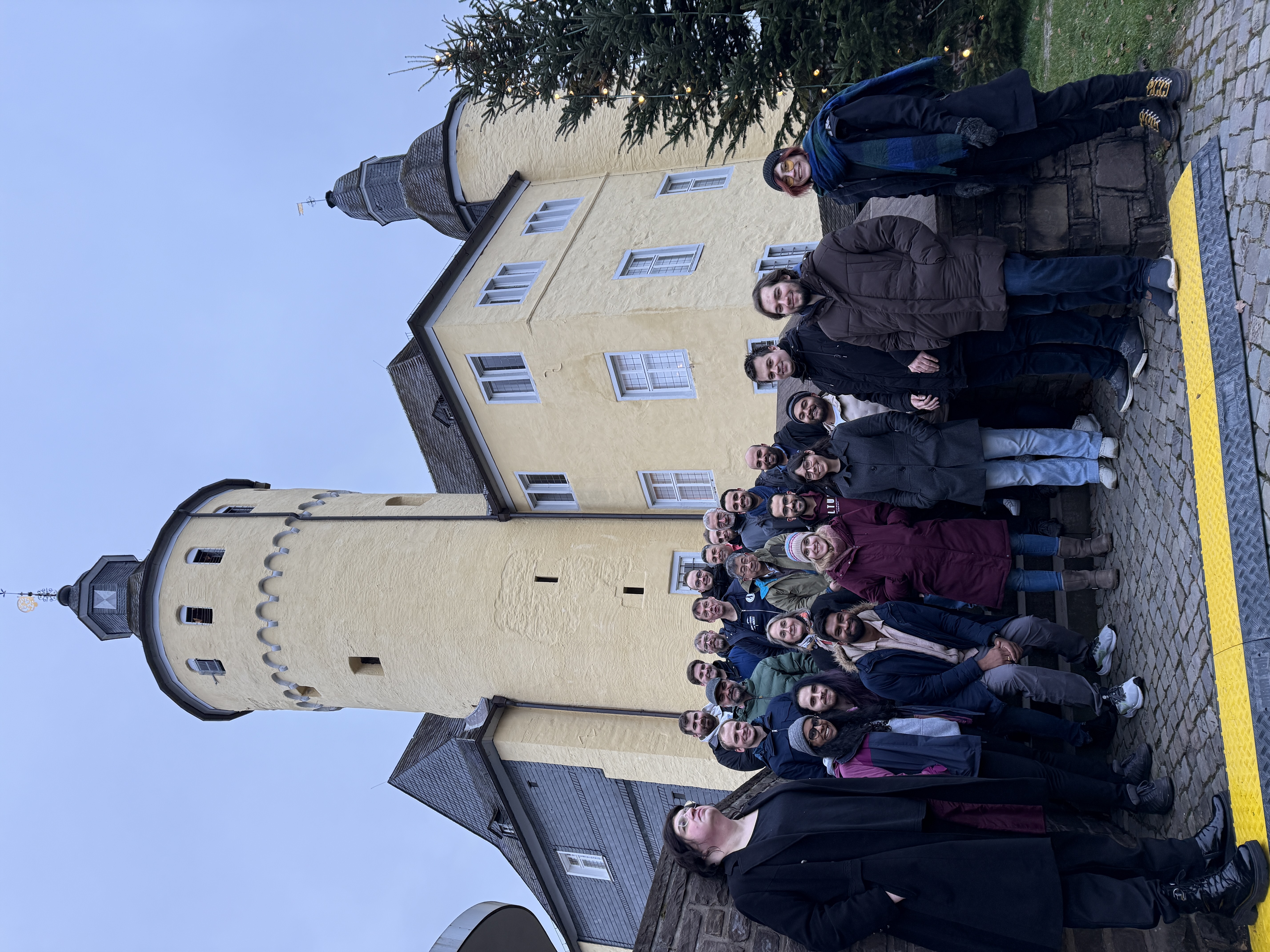
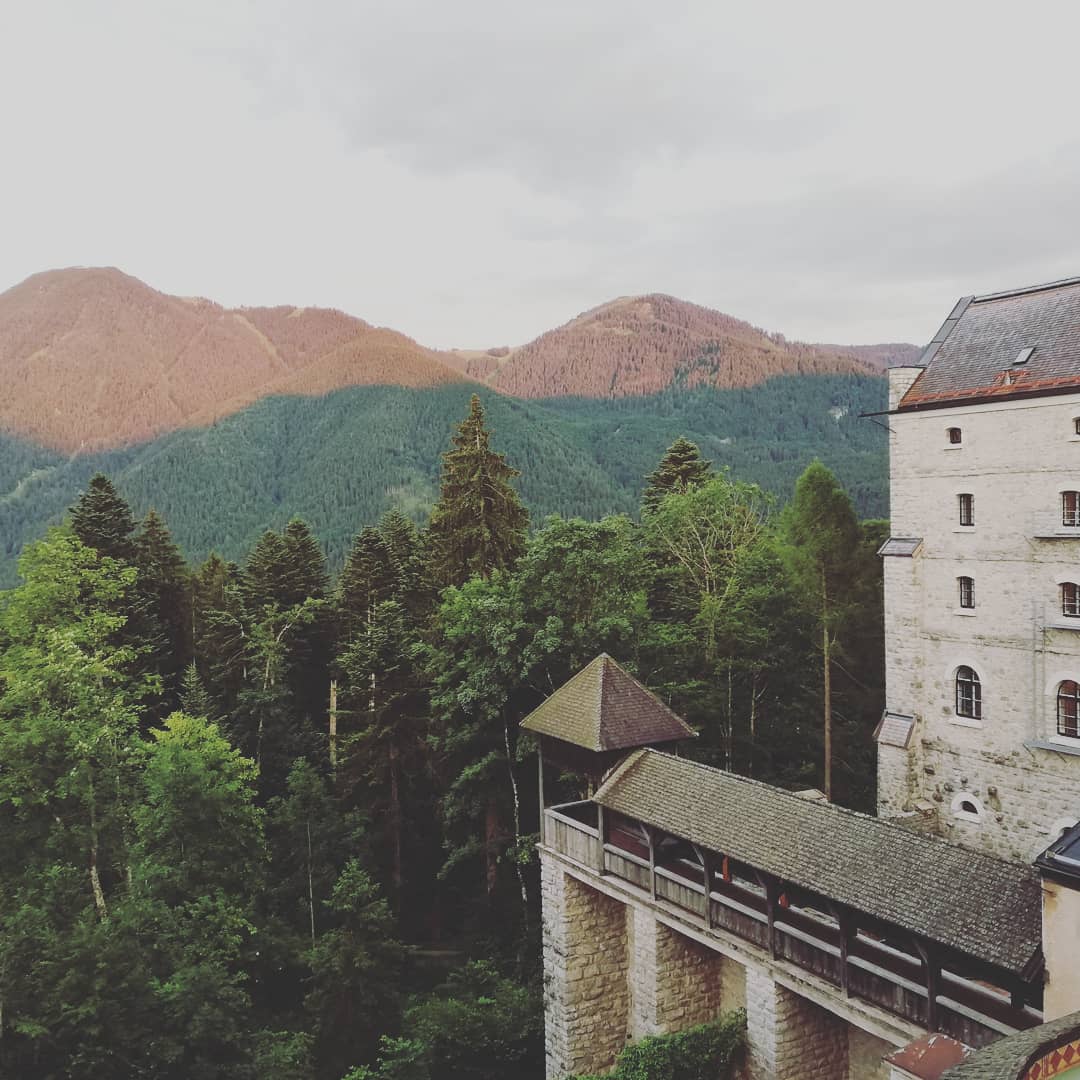
Homburg Castle, Dec. 2024
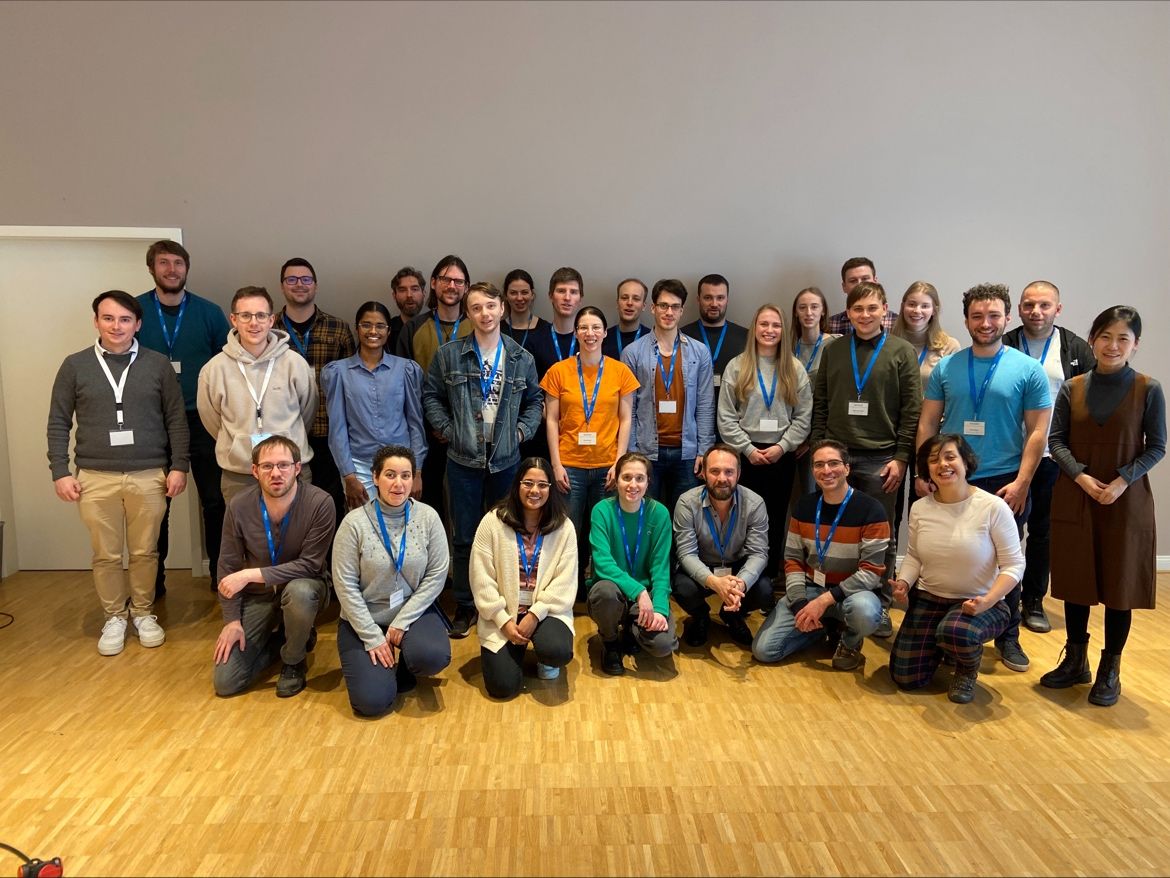
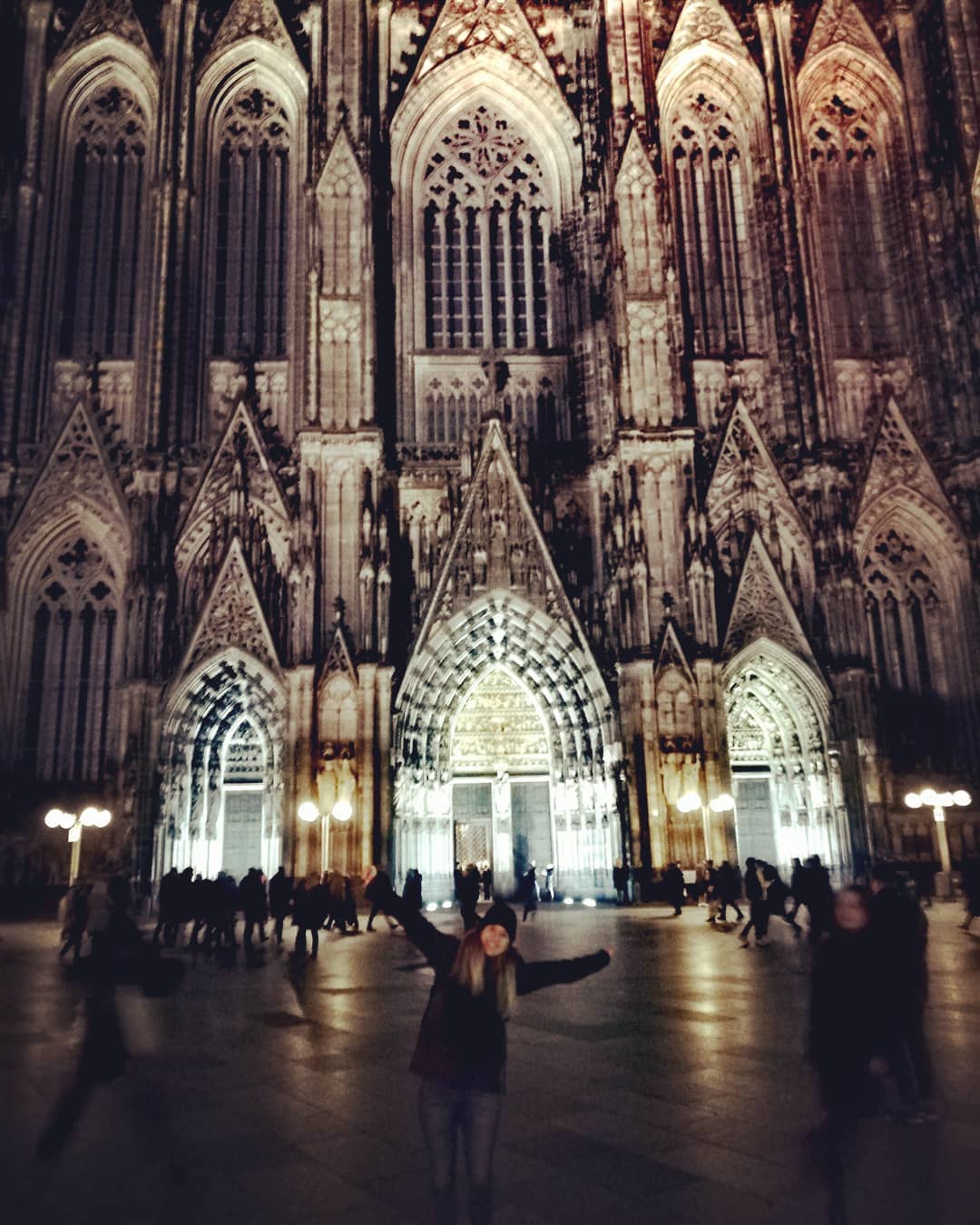
Wiehl, Feb. 2024
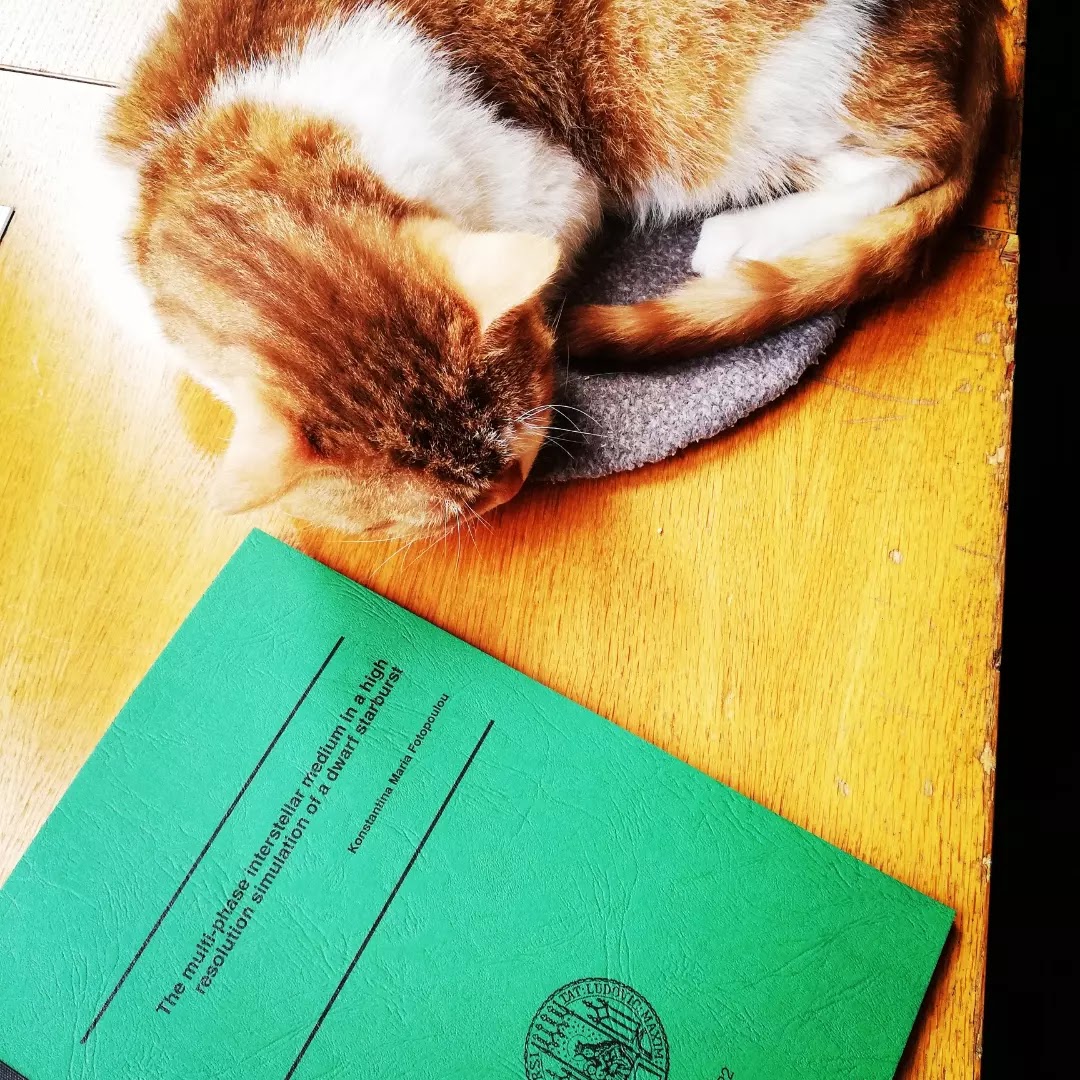
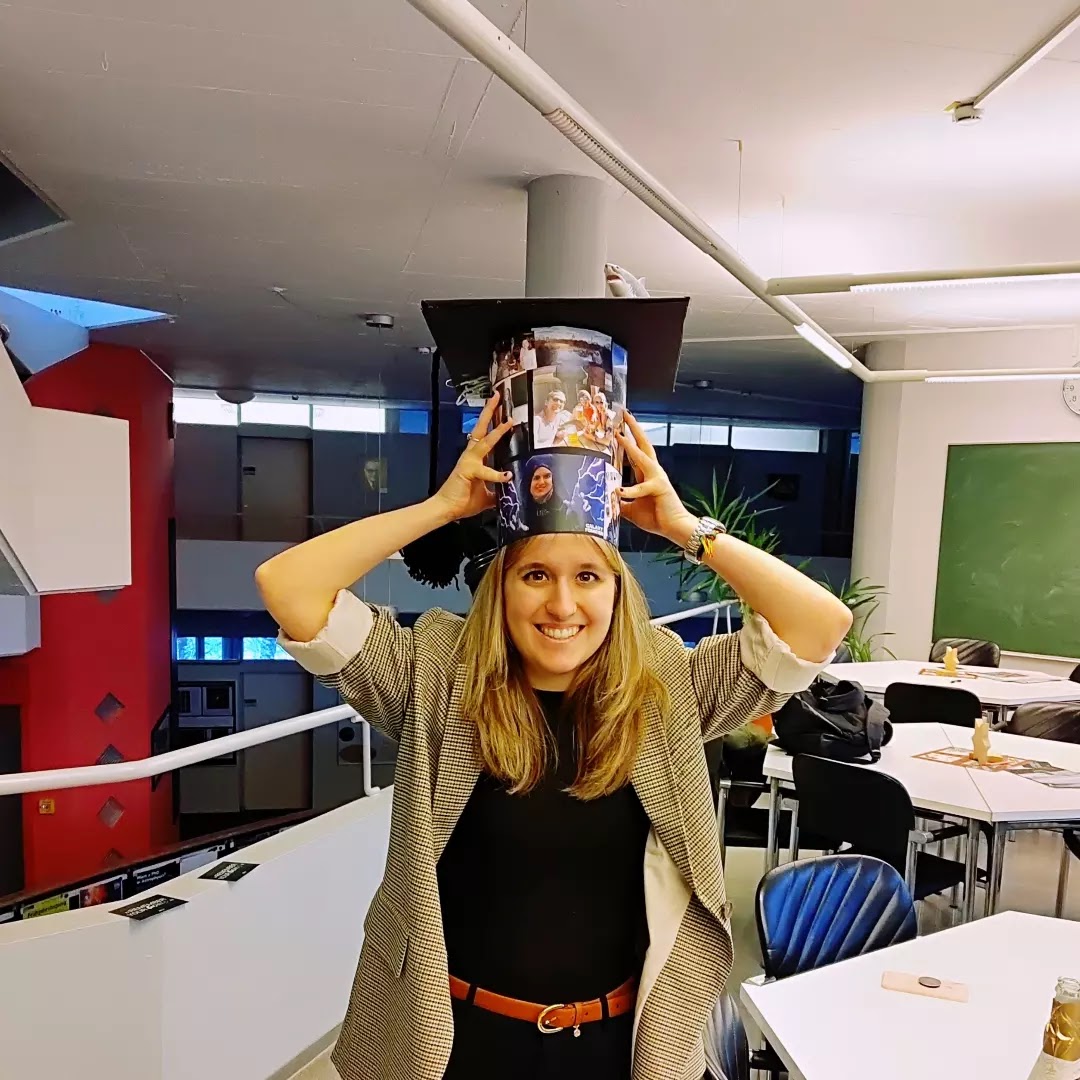
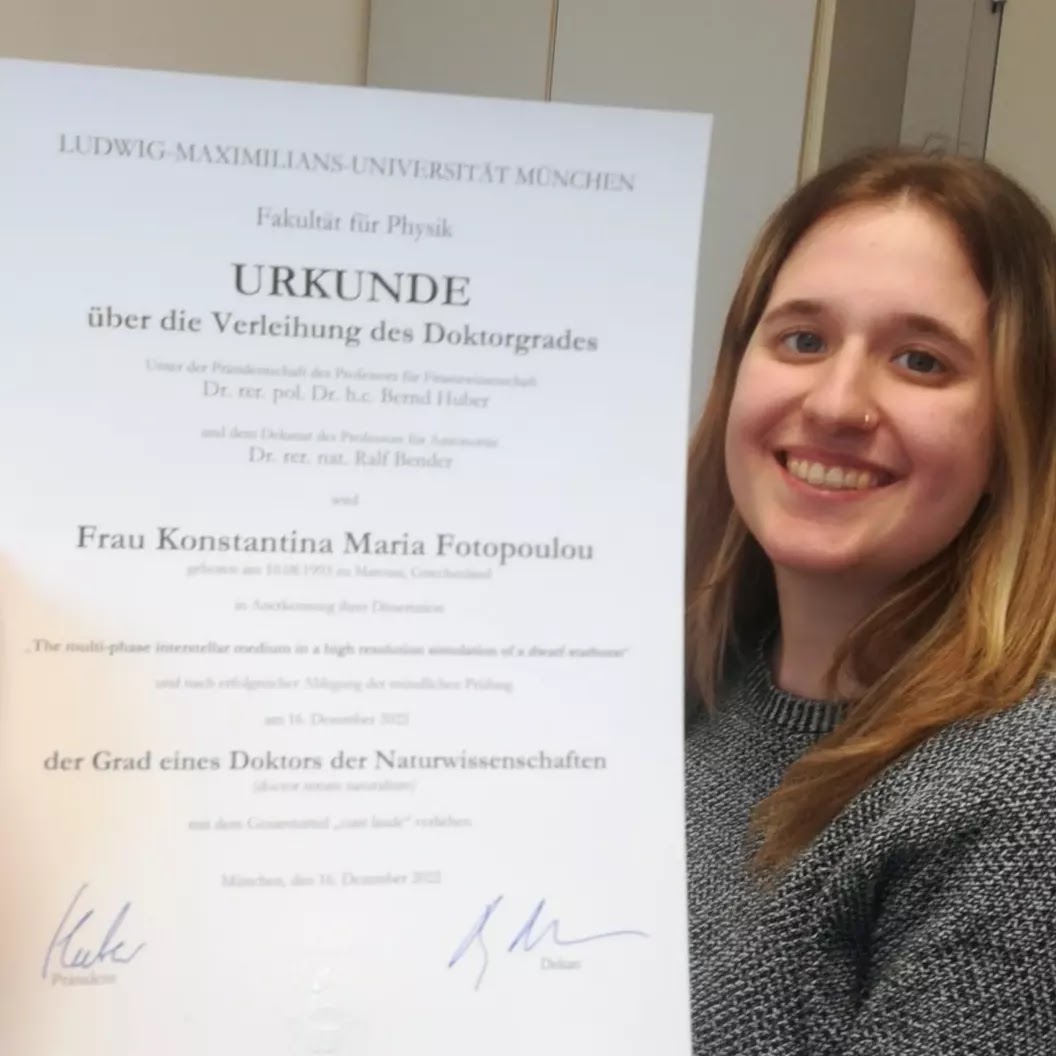
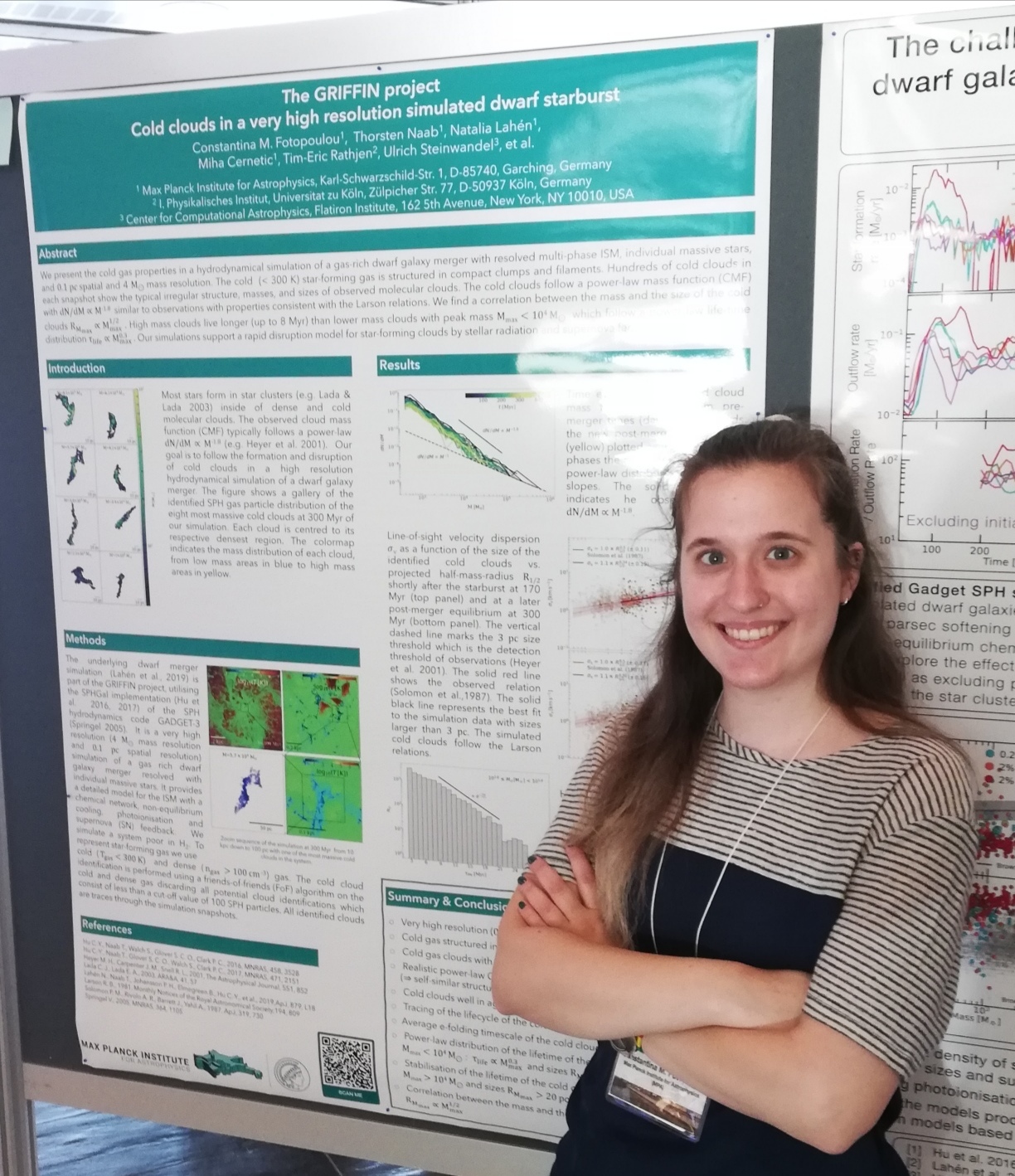
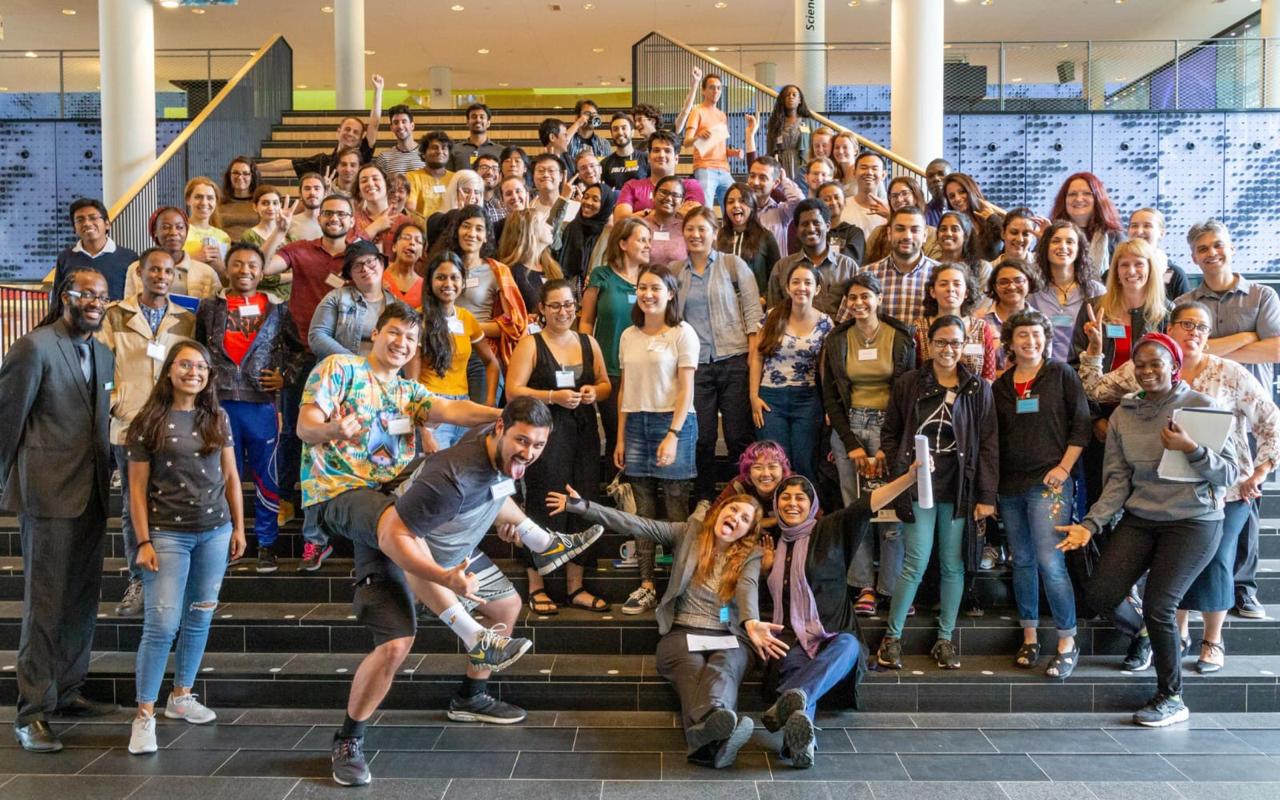
Chalmers University, Gothenburg, June 2022
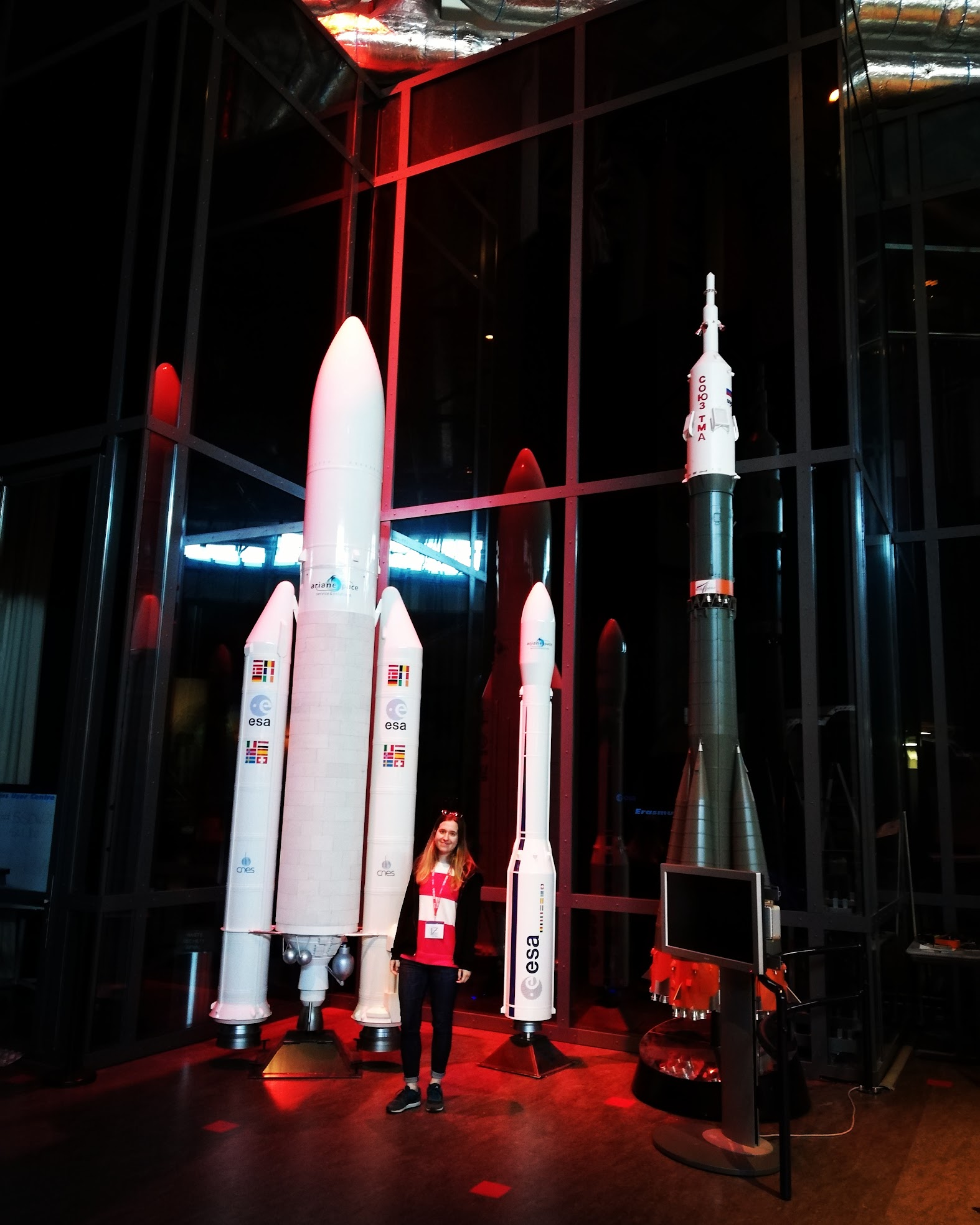
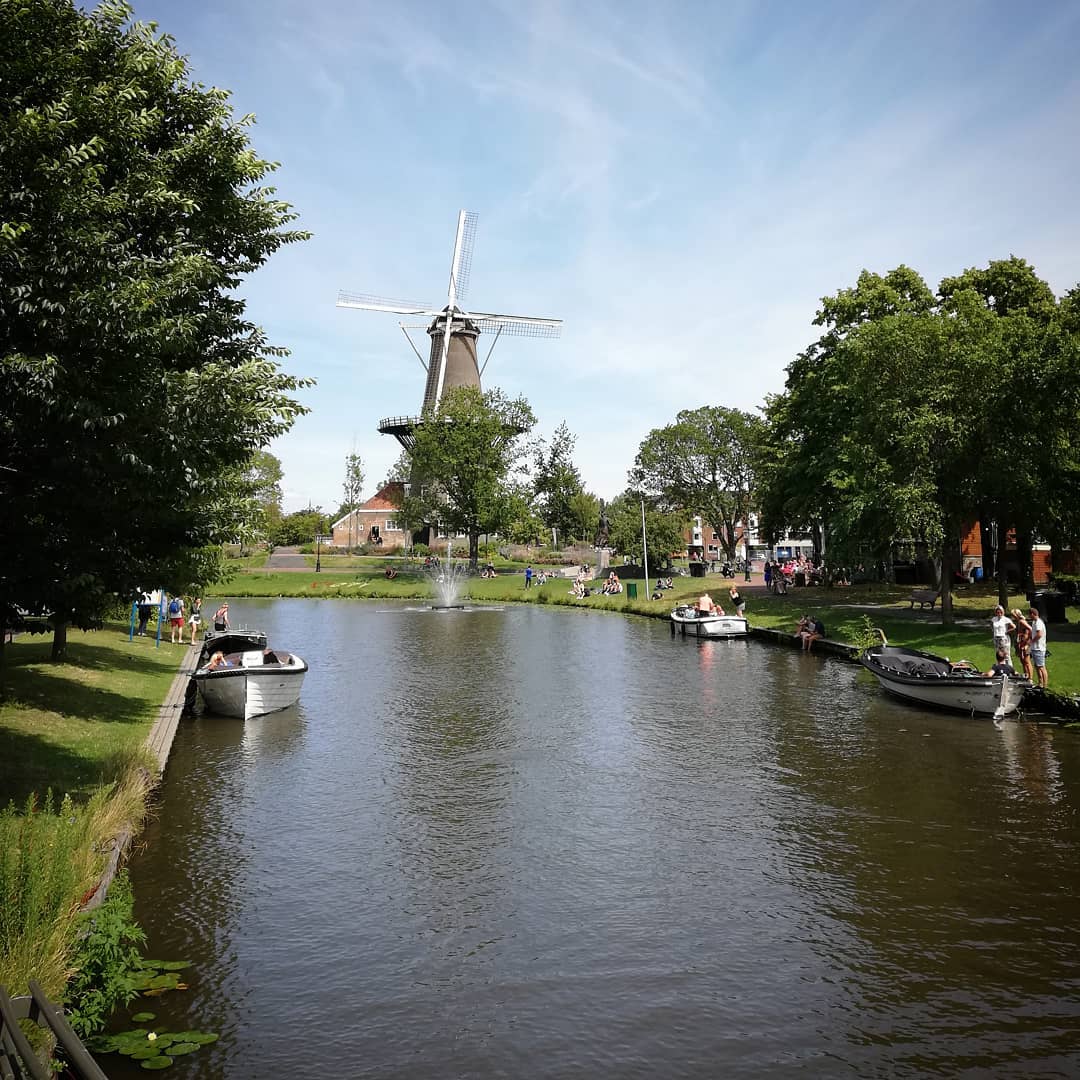
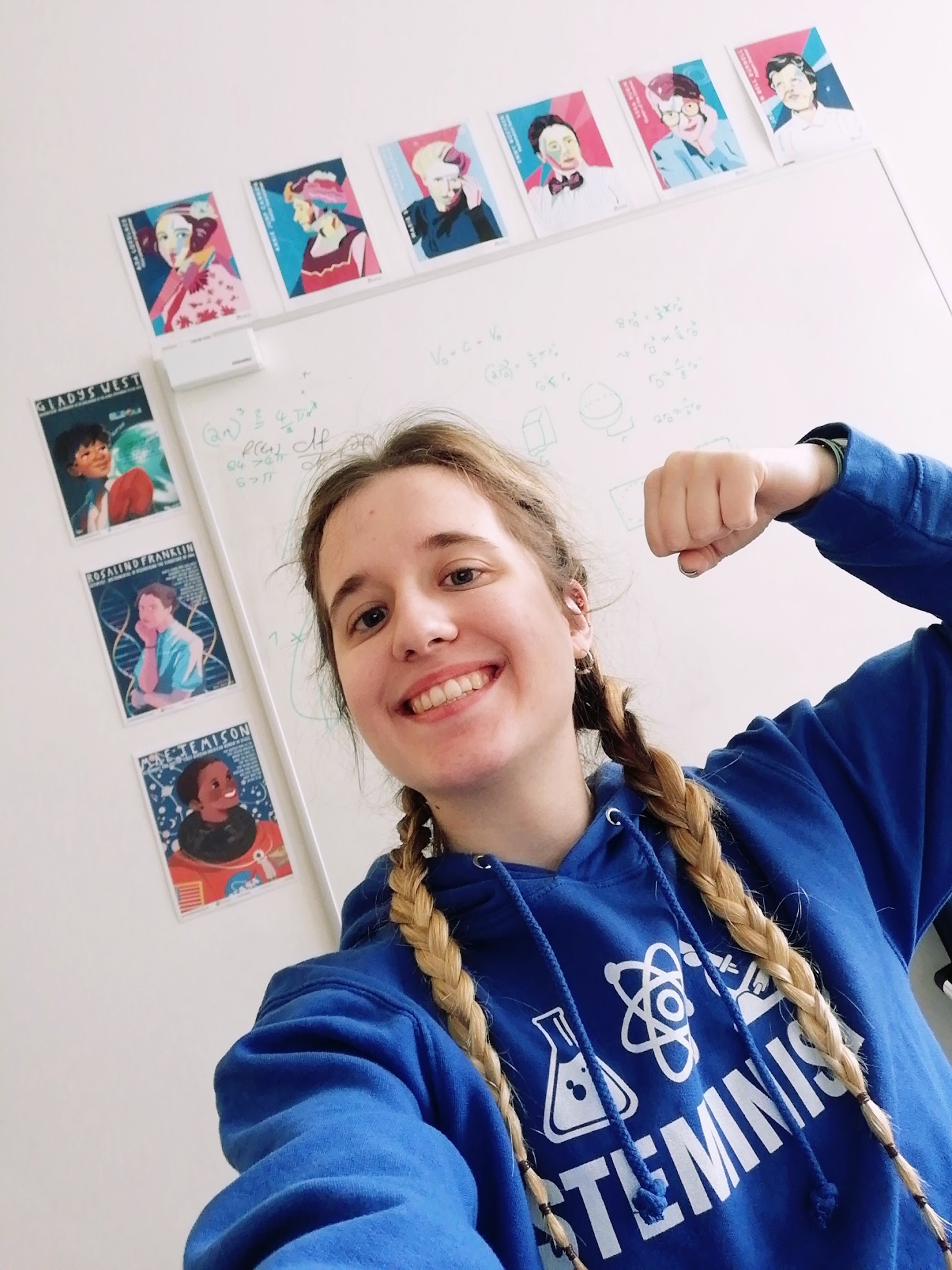
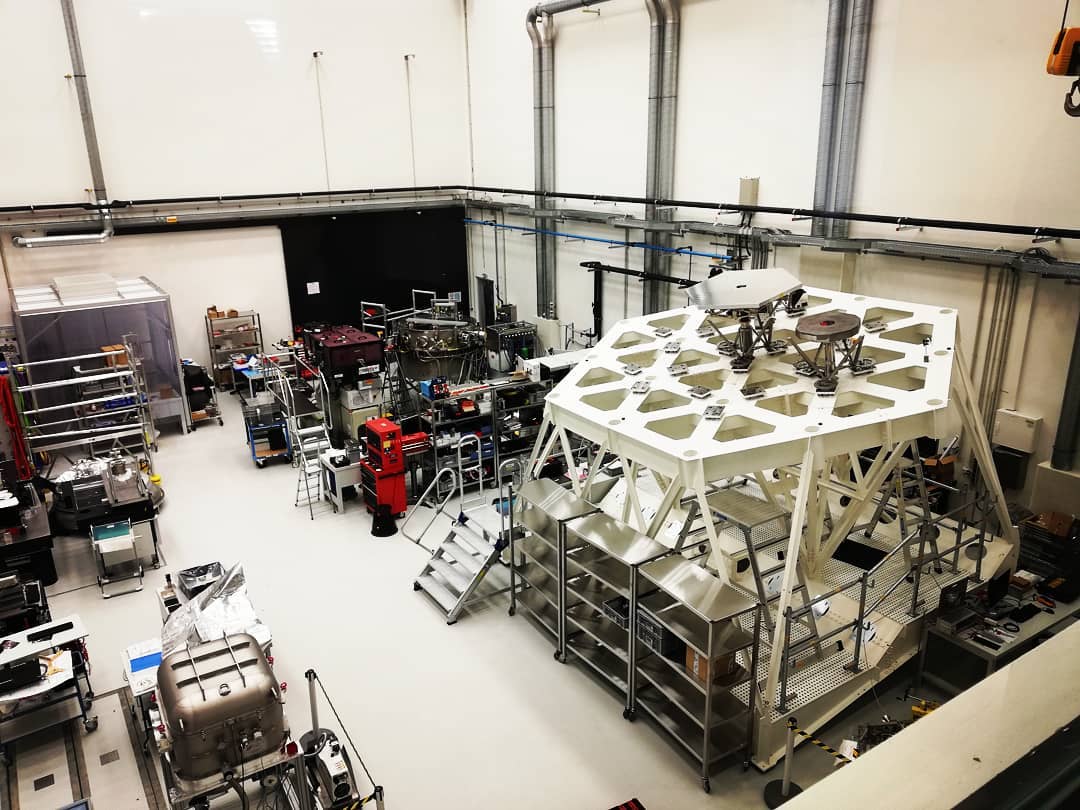
Max Planck Institute for Astrophysics
National Observatory Athens, July 2016
Contact
Dr. Constantina M. Fotopoulou Rathjen
University of Cologne
Institute of Physics I
Zülpicher Straße 77
50937 Cologne
Germany
+49 221 470-87029
-
 © Constantina M. Fotopoulou 2026. All rights reserved.
- Design: HTML5 UP
- Imprint
- Privacy Policy